

Our Services
We provide reliable property maintenance and repair services across North, North West, West London and Middlesex, including plumbing, electrical work, heating, air conditioning and general repairs.
Send Us mail
Need help with your property? Contact First Point of Call to discuss your maintenance, repair or installation requirements. Our team is ready to help you take the next step.
Error: Contact form not found.
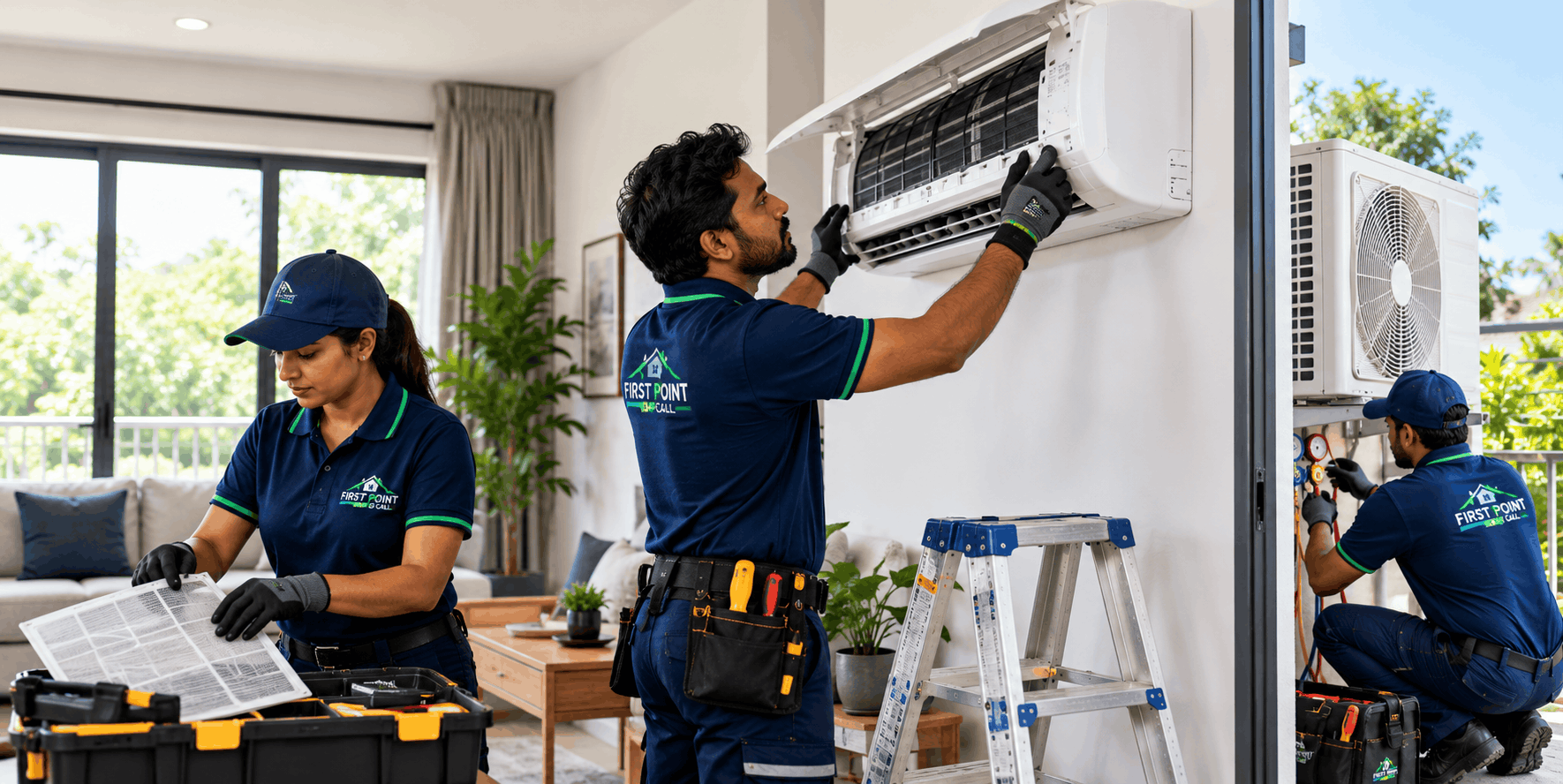
Residential Air Conditioning Installation
Creating a comfortable home environment is important throughout the year, especially during warmer summer months. If your bedroom becomes too hot at night or your living room struggles to stay cool during sunny days, residential air conditioning installation could be a practical solution.
Modern domestic air conditioning systems can help regulate indoor temperatures, improve comfort and, in many cases, provide heating during colder weather. Choosing the right system for your property is essential for achieving reliable performance and managing energy consumption.
In this guide, First Point of Call (FPoC) explores the benefits of home air conditioning, the types of systems available, installation considerations and practical maintenance tips for UK homeowners.
What Is Residential Air Conditioning Installation?
Residential air conditioning installation involves fitting a system designed to control the temperature inside a house, flat or other residential property. Depending on the equipment selected, it can provide cooling for a single room or multiple rooms.
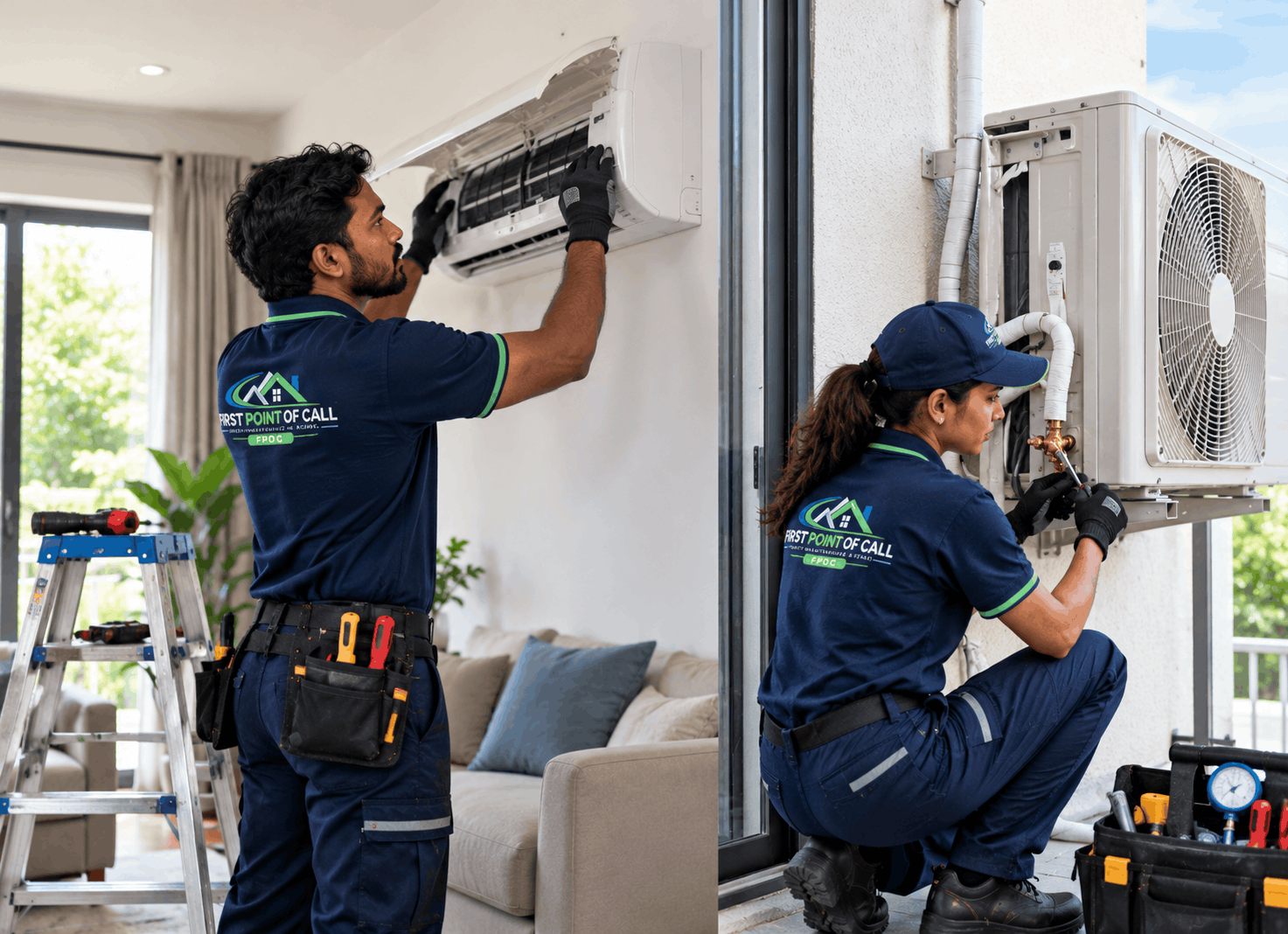
Most fixed split air conditioning systems consist of an indoor unit and an outdoor unit connected by refrigerant pipework. The system transfers heat from inside the property to the outside, helping maintain a more comfortable indoor temperature.
Many modern systems also operate as heat pumps, allowing them to provide heating as well as cooling.
A successful installation starts with understanding your property’s layout, insulation, room sizes, electrical requirements and preferred locations for the indoor and outdoor units.
Benefits of Home Air Conditioning Installation
Hot weather can make bedrooms, living rooms and home offices uncomfortable. A suitable air conditioning system helps maintain a more consistent indoor temperature, allowing you to enjoy your home throughout the summer.
High bedroom temperatures can make sleeping uncomfortable. Installing a suitable air conditioning unit allows you to manage the room temperature and select settings that support a more comfortable sleeping environment.
For people working remotely, a hot home office can make it difficult to concentrate. Home air conditioning can help create a more comfortable workspace during warmer weather.
Many modern split systems provide both cooling and heating through heat pump technology. This offers flexibility throughout the year, although performance and running costs depend on the equipment, outdoor temperatures, energy prices and usage.
Air conditioning can remove some moisture from the air during the cooling process. This may improve comfort in humid conditions, but it should not be considered a replacement for proper ventilation or repairs to damp and water leaks.
Types of Residential Air Conditioning Systems
Choosing the right system depends on your property’s size, the number of rooms you want to cool and the installation options available.
Ideal for: Homeowners who want to cool a specific room.
Key benefit: Provides targeted temperature control without requiring a system for the entire property.
Ideal for: Homes where multiple rooms require separate temperature control.
Key benefit: Allows several indoor units to operate using a shared outdoor installation.
Ideal for: Properties where an integrated whole-home solution is practical.
Key benefit: Provides a discreet appearance with air distribution to multiple rooms.
Before selecting a system, consider the installation requirements and obtain advice on the most suitable option for your home.
How to Choose the Right Air Conditioning System
Assess Your Room Size and Cooling Requirements
Room dimensions are an important starting point, but the required capacity also depends on ceiling height, insulation, window sizes, sunlight exposure, occupancy and heat-producing appliances.
Choosing an undersized system may result in insufficient cooling. An oversized unit may cycle inefficiently and may not manage humidity as effectively as intended.
A professional assessment can help determine the appropriate capacity for your property.
Consider Energy Efficiency
Check the manufacturer’s energy efficiency information, including seasonal cooling and heating ratings where available.
An efficient system may help manage electricity consumption, but actual running costs depend on your usage, chosen settings, property insulation and energy tariff.
Check Noise Levels
Noise is especially important when installing air conditioning in bedrooms, nurseries and home offices. Review the manufacturer’s sound ratings and consider the position of both indoor and outdoor units.
Plan the Installation Location
The indoor unit needs sufficient clearance for airflow and maintenance. The outdoor unit needs a suitable position with adequate ventilation, a stable mounting surface and convenient access for servicing.
The installer should also consider pipework routes, condensate drainage and electrical requirements.
Think About Maintenance
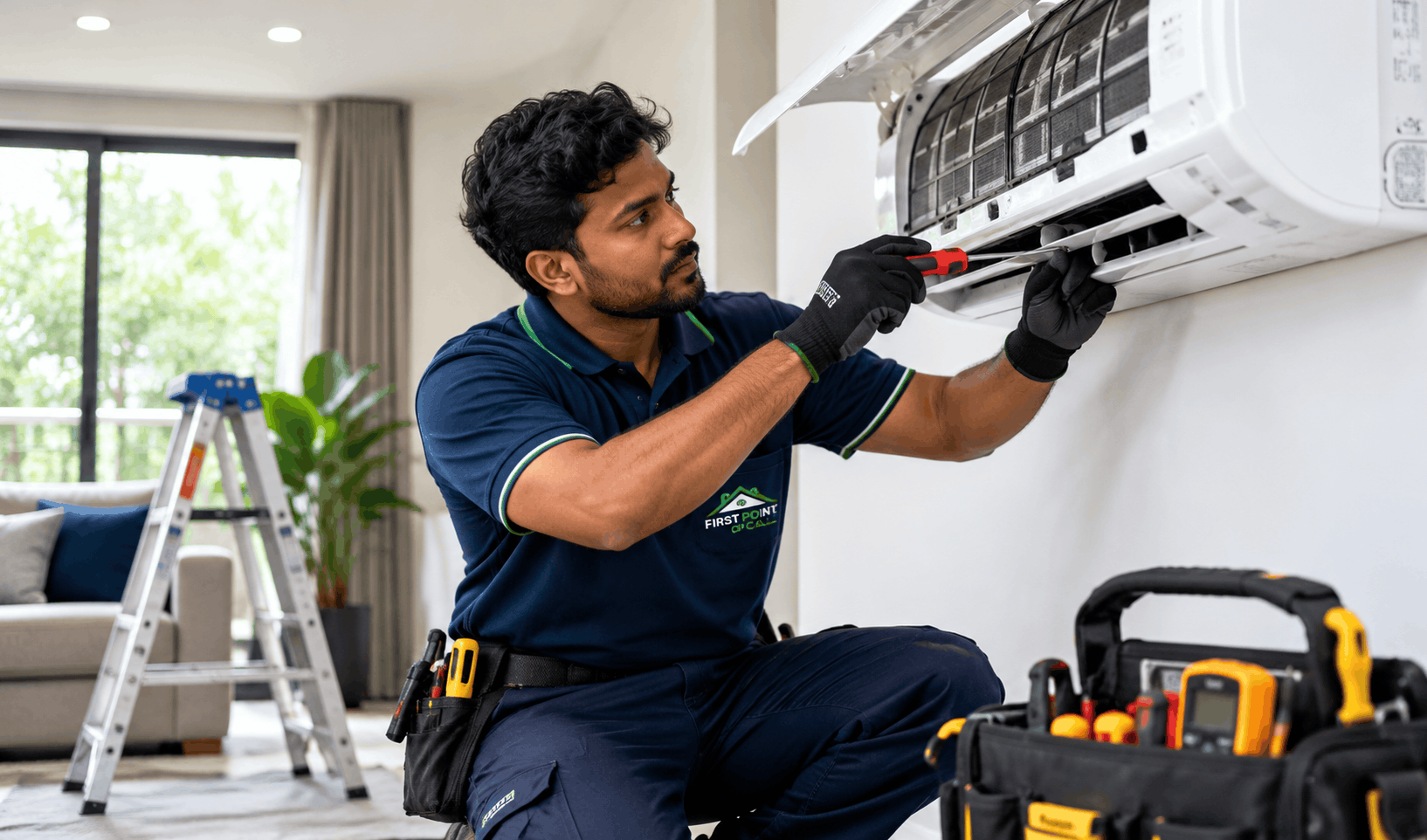
Choose a system that can be maintained in accordance with the manufacturer’s recommendations. Accessible filters generally need regular cleaning, while professional checks may be appropriate depending on the equipment and its usage.
What Happens During Residential Air Conditioning Installation?
Understanding the installation process can help homeowners prepare for the work.
Step 1: Property Assessment
The installer assesses the rooms to be cooled, the building layout and possible locations for the indoor and outdoor units.
Step 2: System Selection
Equipment is selected according to the property’s heating and cooling requirements, the number of rooms and the manufacturer’s specifications.
Step 3: Installation Planning
The installer plans the pipework, drainage, electrical connections and unit positions. Any relevant permissions or building requirements should be checked before work begins.
Step 4: Equipment Installation
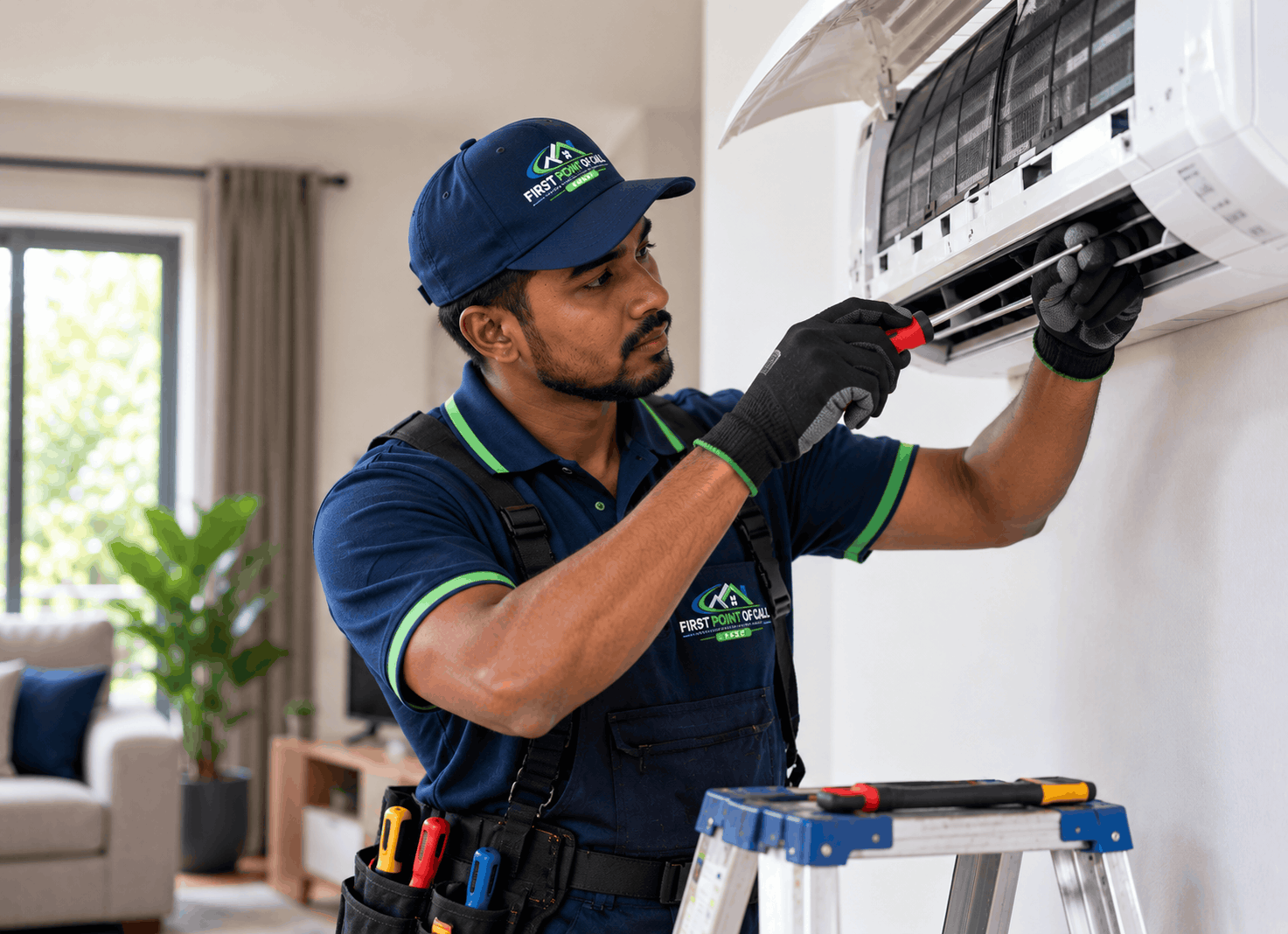
The indoor and outdoor units are installed securely. Pipework, electrical connections and condensate drainage are completed in accordance with the equipment instructions and applicable requirements.
Step 5: Testing and Commissioning
The completed installation is checked and commissioned. Appropriate checks may include refrigerant leak testing, electrical safety, drainage and the operation of the system’s heating and cooling functions.
Step 6: Homeowner Handover
The homeowner receives instructions on using the controls, cleaning accessible filters and arranging maintenance when required.
Installation times vary depending on the number of units, property access and the complexity of the work.
How Much Does Air Conditioning Installation Cost?
The cost of residential air conditioning installation varies from property to property. There is no single price that applies to every home.
Factors that influence the cost include:
- The type, capacity and brand of air conditioning equipment.
- The number of rooms requiring temperature control.
- Whether a single-split, multi-split or ducted system is selected.
- The length and accessibility of the pipework.
- Electrical work and drainage requirements.
- The position and mounting requirements of the outdoor unit.
- Property access, additional labour and any necessary alterations.
- Testing, commissioning, warranty and aftercare arrangements.
A single-room installation will usually involve different work from a system designed for several rooms.
When comparing quotations, check whether the price includes equipment, labour, electrical work, commissioning and any additional materials. Request a clear, itemised quotation so you can understand the complete cost before committing.
Why Professional Air Conditioning Installation Matters
Fixed air conditioning systems involve refrigerant pipework, electrical connections and equipment that must be installed correctly.
In the UK, individuals undertaking regulated work involving F-gas refrigerants must hold the appropriate qualifications. Company certification is also required where applicable. You can review the official requirements in the government’s F-gas qualifications guidance.
Depending on your property and the proposed installation, planning permission, listed-building consent, landlord approval or freeholder permission may also need to be considered.
Before arranging installation, confirm which requirements apply to your project and ensure the installer is appropriately qualified and certified for the work.
How to Maintain Your Home Air Conditioning System
Regular care can help your system maintain airflow and operate as intended.
- Clean accessible filters: Follow the manufacturer’s instructions for cleaning or replacing filters.
- Use sensible temperature settings: Avoid unnecessarily low cooling settings.
- Reduce direct sunlight: Curtains and blinds can help reduce heat entering through windows.
- Keep the outdoor unit clear: Maintain the manufacturer’s recommended clearance around the equipment.
- Monitor performance: Pay attention to unusual noises, reduced cooling or unexpected water leaks.
- Arrange appropriate servicing: Follow the manufacturer’s maintenance schedule and applicable requirements.
If the system develops a suspected refrigerant leak or a technical fault, arrange an inspection by an appropriately qualified professional.
Residential Air Conditioning Installation with First Point of Call
A comfortable home depends on having suitable solutions for your property’s individual needs. First Point of Call provides property maintenance and home improvement services to help homeowners and landlords manage their properties.
When planning an air conditioning project, consider the rooms you want to cool, the features you need and the practical requirements of the installation.
Visit the First Point of Call website to explore available services and make an enquiry about your property requirements.
Before proceeding, confirm the availability of residential air conditioning installation and the relevant installation arrangements with the team.
Looking to make your home more comfortable? Contact First Point of Call to discuss your requirements and identify the appropriate next step for your home improvement project.
Frequently Asked Questions
1. Is residential air conditioning worth installing in the UK?
It may be worthwhile if your home regularly becomes uncomfortably hot, particularly in bedrooms, loft conversions and sun-facing rooms. Consider installation costs, expected usage, energy consumption and your household’s comfort requirements.
2. How long does air conditioning installation take?
A straightforward single-room installation may be completed in a day, while multi-room systems and more complex projects can take longer. The installer should confirm the expected schedule after assessing your property.
3. Can home air conditioning provide heating?
Yes. Many modern air conditioning systems use heat pump technology to provide both cooling and heating. Check the specifications of the equipment you are considering.
4. What size air conditioner do I need for my home?
The required capacity depends on room dimensions, insulation, glazing, ceiling height, sunlight exposure and other heat sources. A professional assessment is recommended to determine the appropriate size.
5. Does air conditioning use a lot of electricity?
Electricity consumption depends on the system’s efficiency, capacity, operating hours, temperature settings and the conditions inside your home. Selecting suitable equipment and using it efficiently can help manage consumption.
6. Do I need planning permission for home air conditioning?
Not every installation requires planning permission. Requirements depend on the property, location and proposed equipment. Listed buildings, flats and properties subject to specific restrictions may require additional checks or consent.
7. Can I install a split air conditioning unit myself?
Fixed split systems require specialist installation. Work involving regulated refrigerants must be carried out by appropriately qualified individuals, with company certification where applicable. Professional installation is recommended.
8. How often should I service my air conditioner?
Follow the manufacturer’s recommendations for maintenance and professional servicing. Filter cleaning may be required more frequently, depending on the system and usage.
9. Can air conditioning help with damp and mould?
Air conditioning may remove some moisture from the air, but it will not resolve the underlying cause of damp or mould. Leaks, condensation and ventilation problems should be investigated separately.
10. How do I arrange residential air conditioning installation?
Start by identifying the rooms you want to cool and the features you need. Visit First Point of Call to explore the available services and enquire about the next steps.
Conclusion
Residential air conditioning installation can improve comfort in UK homes by helping regulate indoor temperatures during warmer weather. Modern systems may also provide heating, offering additional flexibility throughout the year.
Choosing the right equipment, planning the installation carefully and following the appropriate maintenance recommendations are essential for reliable performance.
If you are considering air conditioning for your bedroom, living room or multiple rooms, take time to assess your property’s requirements before selecting a system.
Visit First Point of Call to explore the company’s services and discuss your home improvement requirements.